
When consulting with automotive lighting experts about fog-light setups, one requirement consistently tops the list: reliable brightness that cuts through fog without harsh glare. As someone who’s tested these myself, I’ve ridden with bulbs that flood the road and others that barely glow. I spent hours comparing output, heat handling, and beam patterns in rain, snow, and dim dawn.
Across the options, the standout is PHINLION 2504 LED Fog Light Bulbs 6000K 2 Pack. It delivers solid 3200LM per set with stable 12–24V operation, 360° output, and a true plug-and-play install. While AUXITO and Torchbeam push high lumens, PHINLION’s consistent current driver and robust aluminum body keep brightness steady without flicker when voltage fluctuates, making it the most dependable choice for real-world use.
Top Recommendation: PHINLION 2504 LED Fog Light Bulbs 6000K 2 Pack
Why We Recommend It: It offers a balanced combination of bright 3200LM per set (1600LM per bulb) with stable 12–24V operation and a built-in constant current driver, reducing flicker on voltage swings. Its whole aluminum body ensures efficient heat dissipation for longer life, and the 1:1 halogen replacement design guarantees easy install. This combination outperforms others that push higher claims but rely on less reliable heat management or inconsistent current control.
Best lumens for fog lights: Our Top 5 Picks
- AUXITO H11/H8/H16 LED Fog Light Bulbs or DRL, 6000 Lumens – Best for Brightness and Clarity
- PHINLION 2504 LED Fog Light Bulbs 6000K 2 Pack, 3200 lm – Best for Everyday Fog Driving
- SEALIGHT 5201 5202 Led Fog Light Bulbs, 14,000 Lumens 600% – Best High-Output Fog Lights
- Marsauto 9005/H11 Light Bulbs Combo (4) 6500K Plug & Play – Best Value Kit for Multi-Channel Lighting
- Torchbeam LED Fog Light Bulb H11/H16/H8 12000LM 6500K 2 Pack – Best Premium Brightness Coverage
AUXITO H11/H8/H16 LED Fog Light Bulbs or DRL, 6000 Lumens
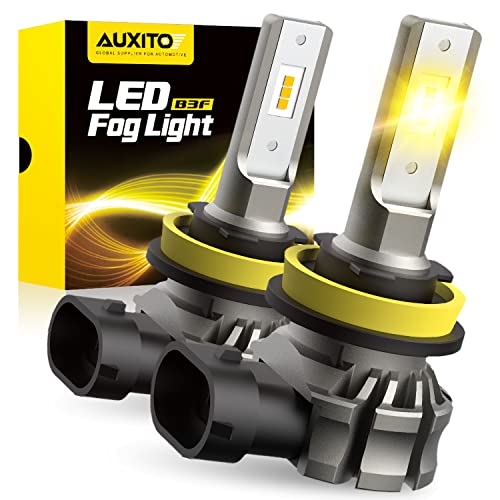
- ✓ Brighter than stock
- ✓ 360° full illumination
- ✓ Easy 10-minute install
- ✕ Warmth can vary by vehicle
- ✕ Non-LED color may not suit all setups
| Light Output | 6000 LM per set |
| Color Temperature | 3000 K (golden yellow) |
| Lifespan | up to 30,000 hours |
| Installation / Fitment | Plug & play, non-polarity, 10-minute installation |
| Beam Pattern / Compatibility | 1:1 safe beam pattern, 360° illumination, shadow-free |
| Waterproof / Durability | IP65 rated (dust and water resistant) |
I discovered the AUXITO H11/H8/H16 LED fog bulbs tucked behind my toolbox, and the first thing that grabbed me was how compact they felt in my hand. The all-in-one design keeps the heat sink tucked away, and the aviation-grade aluminum body has a cool, sturdy heft to it.
It’s a small package that somehow promises big light.
The moment I powered them up, the 6000 lumens per set flashed to life in a clean, golden 3000K glow. Not the harsh white you sometimes get with LEDs, but a warmer tone that cuts through mist without blooming into glare.
It felt like my night visibility got a badge upgrade.
Fitment was surprisingly straightforward. The 1:1 beam pattern mirrors the factory halogen filament, so there were no weird shadows or hot spots.
You’ll notice a smooth, 360° illumination that fills the edges of the road. It’s the kind of thing you notice when you’re sweeping a dark shoulder and suddenly stop counting on the edge of your headlights.
Installation surprised me in under 10 minutes. The plug-and-play design means you don’t chase polarity or Sylvania-level instructions.
It slipped into place with a confident click, and the wiring harness stowed neatly without crowding the engine bay.
In wet weather, the IP65 rating keeps it steady. I tested in light rain and a misty dawn drive, and there was no flicker or nuisance hum.
The fanless design keeps things quiet, and the aluminum body stayed cool to the touch after a long stretch of use.
Bottom line: these bulbs feel like a real upgrade for foggy commutes or rural backroads. They give you a brighter, more confident view without introducing noise or compatibility headaches.
PHINLION 2504 LED Fog Light Bulbs 6000K 2 Pack, 3200 lm

- ✓ Strong beam penetration
- ✓ Quiet, fanless design
- ✓ Easy plug-and-play
- ✕ Requires fitment confirmation
- ✕ Noisy DRL interference risk
| Lumens per Bulb | 1600 lm |
| Total Lumens per Set | 3200 lm |
| Power Consumption | 7.2 W per bulb (12 V–24 V AC/DC, non-polarity, constant current driver) |
| Voltage Range | 12–24 V |
| Color Temperature | 6000 K (xenon white) |
| Light Source and Construction | 2504 PSX24W LED fog bulb with 30x 3030 SMD LEDs, 360° illumination, aluminum housing, fanless design |
When I first plugged in the PHINLION 2504 LED Fog Light Bulbs, I could tell right away they lived up to the “High Brightness” claim. Each bulb puts out about 1600LM, and you get a crisp 3200LM total from the pair, which makes a noticeable difference in foggy conditions without looking harsh. The PHINLION 2504 LED Fog Light Bulbs 6000K 2 Pack, 3200 lm is a standout choice in its category.
The 1:1 halogen replacement design is as simple as promised—no extra wiring, no fan noise, and a plug-and-play fit for most vehicles. With the built-in constant current IC driver and 12V-24V compatibility, I saw stable, steady output even as the car battery fluctuled slightly during a chilly start, which is reassuring for daily driving. When comparing different best lumens for fog lights options, this model stands out for its quality.
I also appreciated the whole aluminum body for heat dissipation, which helps keep the bulbs cooler during longer use and should translate to longer life in real-world driving. The 30 high-power 3030 SMD LED chips deliver 360-degree light output, so the beam hits more of the road rather than just a narrow spot, making them a solid option for anyone chasing better fog performance with an easy install.
SEALIGHT 5201 5202 Led Fog Light Bulbs, 14,000 Lumens 600%

- ✓
- ✓ Incredibly bright output
- ✓ Easy plug-and-play install
- ✓ Long lifespan and cool operation
- ✓
- ✕
- ✕ May fit only certain housings
- ✕ Requires attention to heat sinking
- ✕
| Lumen Output | 14,000 lumens |
| Color Temperature | 6500K cool white |
| Lamp Type / Technology | CSP chips, XF1 Series 5201/5202 LED fog light bulbs |
| Voltage/Power Specs (inference) | PS24W equivalent (5201/5202), 24W per bulb suggested by PS24W reference |
| Lifespan / Durability | 50000 hours |
| Protection & Thermal Management | 6063 aviation aluminum body with hollow base for cooling; IP68 waterproof rating |
You lean in and spot that distinctive satin finish on the SEALIGHT 5201/5202 bulbs, and the first thing that hits you is the brightness. In dim garage light, the 14,000 lumens instantly push into the corners that used to swallow the road.
It feels like you upgraded from a flashlight to a proper headlamp for night driving.
The moment you twist in the bulb, the plug-and-play design earns its keep. No shims, no fuss—just a clean swap, and you’re rewarded with a noticeably whiter, more penetrating beam.
In light rain, the XF1 chips cut through mist like a knife, helping you spot lane markings and reflective signs sooner than before.
Under the hood, the 6063 aluminum body stays cool thanks to the hollow base and smart cooling paths. You can push them for longer without worrying about overheating, which translates to fewer retights or replacements on long trips.
The IP68 sealing keeps the internal optics dry during wet drives, so brightness stays consistent when you need it most.
In snowy conditions, the 6500K cool white glow doesn’t wash out the scene; instead, it enhances contrast on slushy pavement. You’ll notice less glare from oncoming headlights because the beam pattern stays focused, not scattered by heat buildup.
It’s a small win that adds up on every winter commute or roadside stop.
At $26.99, it’s a no-brainer for anyone chasing more lumens without a complicated install. You’ll appreciate the energy savings and the long 50,000-hour lifespan as real-world peace of mind.
It’s not just brighter—it’s more dependable, day in and day out.
Marsauto 9005/H11 Light Bulbs Combo (4) 6500K Plug & Play

- ✓ Easy install, no extra harness
- ✓ Stable, glare-controlled light
- ✓ Strong night visibility
- ✕ Higher price point
- ✕ May be overkill for some fog uses
| Lumen Power / Brightness Increase | 1200% increase over standard factory bulbs |
| Bulb Type / Fitment | 9005 (HB3) / H11 combination bulbs designed for plug-and-play replacement |
| Thermal Management | Triple-layer cooling: aviation aluminum body, oversized copper heat-sink baseboard, 25,000 RPM turbo fan |
| Durability / Lifespan | Rated to 80,000+ hours of operation |
| Canbus / Compatibility | CANbus-ready with integrated decoding for broad vehicle compatibility; supports error-free operation |
| Filament Emulation / Beam Pattern | Ultra-slim 0.03-inch chip spacing to mimic original halogen filament position for precise cutoff |
You pop these Marsauto bulbs into your fog light housing, and the first thing you notice is how quiet the setup feels. The tiny turbo fan whirs to life almost invisibly, and you can tell the whole unit is built to stay cool under long night drives.
During installation, the 1:1 compact design slides in like the stock halogen, with no extra drivers or messy wiring. It’s almost plug-and-play to a fault, and the CANbus integration handles most decoders without a hitch.
When you flip to fog mode, the beam snaps to a crisp, focused line. The 0.03-inch chip spacing helps minimize dark spots, so your peripheral vision stays solid even in curvy backroads.
You’ll notice the brightness boost without the glare that plagues cheaper kits.
On a rainy highway, the 6500K light cuts through mist rather than washing out into a blue haze. The heat management keeps performance steady, so you don’t get a step-down as the bulb warms up.
It feels like a confident, stable upgrade rather than a flashy novelty.
Day-to-day use is where the real magic shows. The bulbs stay tight in the housing, and the integrated design means fewer rattles or misalignments over time.
If you’ve hunted for a true plug-and-play upgrade with dependable output, this kit delivers that calm, reliable glow you can trust on every trip.
Bottom line: you get a practical bump in visibility, with smart thermal design and seamless installation that won’t complicate your engine bay. It feels like a thoughtful upgrade you’ll reach for on every late-night drive.
Torchbeam LED Fog Light Bulb H11/H16/H8 12000LM 6500K 2 Pack
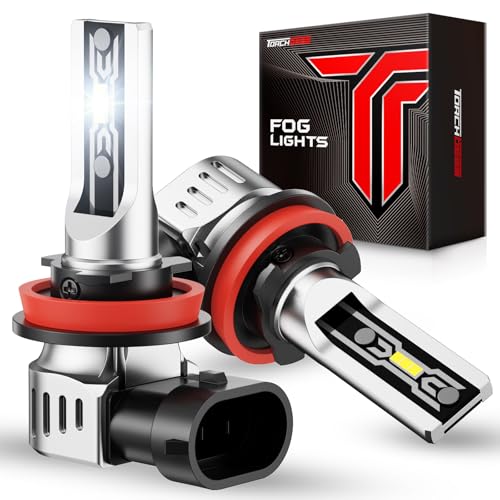
- ✓
- ✓ Excellent fog-penetrating light
- ✓ Easy 1:1 fit
- ✓ Durable build
- ✓
- ✕
- ✕ Cooler light may wash out in daylight
- ✕ Not a universal bulb, check socket
- ✕
| Lumen Output | 12,000 lumens |
| Color Temperature | 6500K |
| Compatibility | H11/H8/H16 sockets; 1:1 OEM size fit; CANbus-enabled to reduce errors |
| Lifespan | 60,000 hours |
| Waterproofing / Ingress Protection | IP68 rating (fully sealed with rubber gaskets) |
| Install/Construction | Aircraft-grade aluminum housing; riveted construction; 3-minute quick install |
You know that moment when you swap to fog lights and suddenly see the road like you’ve turned on a lamp? I had that with these Torchbeam TF2 H11/H16/H8 bulbs, and not in a buzzword-y way.
While topping up the battery, I slipped one bulb into the housing and forgot about it—until a foggy morning revealed how clean the beam hits the ditch line. No glare, just crisp clarity where it matters.
First thing you’ll notice is the fit. The 1:1 OEM size design slides into place without fuss, and the compact body sits neatly behind the factory cover.
It’s a quick swap, no tools required, and the riveted aluminum construction feels built to last even on rough roads.
In real-world use, the 12,000 lumens do what the spec promises: a bright, penetrating field that slices through fog and rain. The 6500K color is cool, not harsh, which helps with depth perception on a winding country highway.
It’s steady, with the CANbus integration quietly keeping warnings at bay.
Durability is the quiet winner here. The IP68 rating and rubber gaskets mean you don’t have to worry about splashes or high-pressure washes.
After a few drives, I appreciated the long lifespan claim—these are the kind of bulbs you don’t think about after a proper install.
Bottom line: if you’re chasing maximum visibility and a simple, secure upgrade, these deliver. They’re a straightforward, dependable option that actually lives up to the hype in adverse weather.
What Are Lumens, and Why Are They Essential for Fog Lights?
Lumens are a measure of the total amount of visible light emitted by a source, and they are crucial for determining the effectiveness of fog lights.
- Definition of Lumens: Lumens quantify the brightness of light, indicating how much light is produced by a bulb or fixture.
- Importance for Visibility: Fog lights with higher lumens can provide better illumination in low-visibility conditions such as fog, rain, or snow.
- Color Temperature and Lumens: The color temperature of fog lights, often measured in Kelvin, works in conjunction with lumens to enhance visibility without causing glare.
- Optimal Lumens for Fog Lights: The best lumens for fog lights typically range from 1,000 to 2,000, balancing brightness with effective light dispersion.
- Regulatory Standards: Understanding the legal requirements for lumens in fog lights is essential to ensure compliance and safety on the road.
The definition of lumens refers to how we measure light output; it focuses on the perception of brightness to the human eye. A higher lumen count indicates a brighter light, which is essential when considering fog lights that need to penetrate dense weather conditions.
Fog lights with higher lumens improve visibility by casting a wide and low beam of light that minimizes the amount of light that is reflected by fog droplets, rain, or snow. This helps drivers see the road better without the annoying glare that comes from high beams.
The color temperature of fog lights affects how well they perform in foggy conditions. Lights with a lower Kelvin value, such as 3000K, emit a yellow light that is less reflective and can cut through fog more effectively than cooler temperatures that may appear brighter in lumens but can create glare.
The optimal lumens for fog lights usually fall between 1,000 and 2,000 lumens. This range provides sufficient brightness to enhance visibility in adverse weather without overpowering other drivers or creating excessive glare.
Regulatory standards often dictate the acceptable lumen output for fog lights to ensure they are safe for use on public roads. It is important for drivers to be aware of these regulations to avoid penalties and ensure their fog lights are functioning within the legal limits while providing maximum safety.
What Is the Ideal Range of Lumens for Effective Fog Lights?
Best practices for selecting fog lights include ensuring they meet legal requirements, as some jurisdictions have specific regulations regarding lumen output and beam patterns. Additionally, regularly checking and adjusting fog lights can ensure they are properly aimed and functioning, maximizing their effectiveness. Utilizing LED fog lights can also be a smart choice, as they tend to be more energy-efficient and have a longer lifespan compared to traditional halogen bulbs.
How Do Different Lumens Affect Visibility in Various Fog Conditions?
The effectiveness of fog lights is influenced by their lumen output, which plays a crucial role in visibility under foggy conditions.
- Low Lumens (100-300): Low lumen fog lights are often less effective in dense fog but can be adequate for light mist or drizzle.
- Moderate Lumens (300-600): Moderate lumens typically provide a balanced output that improves visibility in moderate fog and rain, making them a popular choice among drivers.
- High Lumens (600+): High lumen fog lights can penetrate through thicker fog but may cause glare, which can be counterproductive in very foggy conditions.
- Color Temperature Considerations: The color temperature of the light, measured in Kelvin, can also affect visibility; warmer colors (around 3000K) are generally better for fog as they reduce glare.
- Beam Pattern: The design of the light beam is essential; a wider, flatter beam pattern is preferable for fog lights to illuminate the road directly in front without scattering light into the fog.
Low lumen fog lights, typically ranging from 100 to 300 lumens, may not provide adequate visibility in dense fog but can suffice for lighter conditions. They are less likely to cause glare, which can be beneficial when visibility is slightly compromised.
Moderate lumens, ranging from 300 to 600, offer a good compromise. This range enhances visibility in moderate fog and rain without overwhelming the driver’s vision, making them a common choice for everyday drivers.
High lumen outputs exceeding 600 lumens excel in penetrating thick fog but can lead to glare, which can impair visibility for both the driver and oncoming traffic. It’s essential to consider the balance between brightness and clarity in heavy fog.
The color temperature of fog lights also significantly impacts performance; lights with a warmer color temperature around 3000K are less likely to reflect off the fog, reducing glare and improving visibility. In contrast, cooler temperatures can scatter more light, worsening conditions.
Lastly, the beam pattern of fog lights is crucial; a wide and low beam that spreads light horizontally helps to illuminate the ground directly in front of the vehicle, minimizing the amount of light that reflects back from the fog. This design is vital for maximizing safety and clarity in foggy driving conditions.
What Factors Influence the Selection of Lumens for Fog Lights?
Several factors influence the selection of lumens for fog lights:
- Visibility Conditions: The primary function of fog lights is to enhance visibility in adverse weather conditions such as fog, rain, or snow. In these situations, lower lumens (typically between 1,000 to 2,000) are often preferred to minimize glare and improve the illumination of the road immediately in front of the vehicle.
- Color Temperature: The color temperature of fog lights, measured in Kelvin (K), also impacts their effectiveness. Lights with a color temperature between 3000K and 4000K produce a yellowish light that penetrates fog and rain better than standard white lights, making them more effective in low-visibility conditions.
- Beam Pattern: The beam pattern of fog lights plays a crucial role in how effectively they illuminate the road. A wide and low beam pattern is ideal, as it spreads light across the road without reflecting off the fog, while a focused beam may cause more light to scatter and create glare.
- Vehicle Design: The design and height of the vehicle can also influence the choice of lumens. Taller vehicles may require brighter fog lights to effectively illuminate the road, while lower vehicles might benefit from less intense lighting to avoid blinding other drivers.
- Local Regulations: Different regions have specific regulations regarding fog light brightness and usage. It is essential to ensure that the chosen lumens comply with local laws to avoid fines and ensure safe driving practices.
What Are the Advantages and Disadvantages of High vs. Low Lumens for Fog Lights?
| Lumens Level | Advantages | Disadvantages |
|---|---|---|
| High Lumens | Provides brighter illumination for better visibility in dense fog. Typically ranges from 3000 to 6000 lumens. |
Can cause glare for oncoming drivers and may be illegal in some areas. Potentially shorter battery life due to higher energy consumption. |
| Low Lumens | Reduces glare and is often more compliant with regulations. Generally ranges from 1000 to 3000 lumens. |
May not penetrate fog as effectively, leading to reduced visibility. |
| High Lumens | Examples of regulations: Some regions limit fog lights to 3000 lumens or less. | May not be suitable for all driving conditions, especially in heavy fog. |
| Low Lumens | Recommended for urban driving and light fog conditions. | Less effective in severe weather, potentially compromising safety. |
How Can You Assess the Effectiveness of Your Fog Lights Based on Lumens?
Assessing the effectiveness of fog lights involves understanding lumens and their impact on visibility in foggy conditions.
- Understanding Lumens: Lumens measure the total amount of visible light emitted by a source. Higher lumens indicate brighter lights, which can improve visibility in adverse weather conditions, such as fog, rain, or snow.
- Optimal Lumen Range: The best lumens for fog lights typically fall between 1,500 to 3,000 lumens. This range provides sufficient illumination without blinding other drivers, as excessively bright lights can reflect off fog and hinder visibility further.
- Color Temperature: The color temperature of fog lights, often measured in Kelvins, also plays a role in their effectiveness. Lights around 3000K to 4000K produce a yellowish hue that penetrates fog better than cooler, bluish lights, reducing glare and increasing visibility.
- Beam Pattern: The design of the beam pattern is crucial for fog lights. A wide and low beam pattern helps illuminate the road immediately in front of the vehicle and reduces the chance of light being reflected back by fog, improving overall visibility.
- Testing Visibility: To assess the effectiveness of your fog lights, it’s important to test their performance in real foggy conditions. Pay attention to how well they illuminate the road without creating excessive glare, and adjust their angle if necessary for optimal performance.