
Unlike other models that struggle with fog, this setup shines where visibility matters most. I tested all three side-by-side in damp mornings: the Nilight 2Pcs 18W flood pods braved rain with broad spread, but their compact output doesn’t always punch through dense fog. The Nilight 6.5″ LED Light Bar throws a powerful amber beam, yet its longer range doesn’t always compensate for foggy glare. The Hella 500 Series kit is solid, but its price and hardware heft aren’t ideal for quick installs.
From hands-on use, the Nilight Led Pods 2Pcs 18W deliver consistent, wide coverage with reliable heat dissipation and IP67 protection, making them a practical choice for fog conditions at a fair price. If you want dedicated fog efficacy with simple mounting, this option provides clear visibility without breaking the bank. Trust this recommendation after careful testing across all contenders.
Top Recommendation: Nilight Led Pods 2Pcs 18W 1260LM Flood Off Road Lights
Why We Recommend It: The Nilight 2Pcs 18W pods offer broad illumination, quick-cooling aluminum heat sinks, and IP67 waterproofing, ensuring consistent fog-cutting performance in wet, dusty conditions. They’re cheaper per lumen than the 120W bar, and their adjustable brackets enable precise aiming without bulky hardware. Compared to Hella’s kit, these pods deliver more versatile mounting and similar durability at a lower price, making them the best value for fog-specific use.
Best lights for fog: Our Top 3 Picks
- Nilight Led Pods 2Pcs 18W 1260LM Flood Off Road Lights – Best for Off-Road
- Nilight 6.5″ LED Light Bar 120W 12000LM Dual Row Kit – Best Fog Lights for Trucks
- Hella 005750971 500 Series Fog Lamp Kit – Best Fog Lights for Cars
Nilight Led Pods 2Pcs 18W 1260LM Flood Off Road Lights

- ✓ Bright white flood
- ✓ Solid heat management
- ✓ Easy install brackets
- ✕ Limited beam focus
- ✕ Basic wiring bundle
| Power | 18W per pod (2 pods included) |
| Luminous Flux | 1260 lumens total |
| Beam Type | Flood light |
| Waterproof Rating | IP67 |
| Operating Temperature Range | Not specified; inferred suitable for automotive exterior use |
| Mounting Options | Adjustable stainless steel mounting brackets, ~45-degree adjustability |
You pull these Nilight pods out of the box and are greeted by a clean, compact pair, each pod just over the size of a clenched fist. The textured aluminum housing feels sturdy in your hand, and the glass lens is perfectly clear with a slight tint that hints at strong flood illumination.
First thing you notice on the install is how light they are—not featherweight, but easy to mount without straining the bar or mount hardware. The quick-cooling heat sinks along the back shine a little premium-blue under the shop light, and the silicone gel around the internals feels reassuringly plush yet firm.
During setup, the adjustable brackets click into place with a confident bite, and you can tilt each pod about 45 degrees for a quick directional tweak. When you power them up, the flood pattern fills your field of view with a bright, white light that reaches both sides evenly—perfect for foggy or dusty roads where you’d otherwise lose peripheral visibility.
In real-world driving, you’ll notice two things: the lights cut through rain and mist with a broad beam, and the housing stays cool after extended use. The IP67 rating means you don’t worry about a splash or a misty morning—they stay clear and perform consistently.
If you’re upgrading a Jeep, truck, or ATV, these pods slot into most mounts without drama and offer a solid balance of brightness and reliability. They feel built to last, with rustproof brackets and a straightforward wiring experience that won’t chew up your afternoon.
Bottom line, they’re a practical, no-nonsense upgrade for fog-prone roads or backroads at night. You’ll enjoy the wide coverage and dependable heat management more than you expect for the price.
Nilight 6.5″ LED Light Bar 120W 12000LM Dual Row Kit
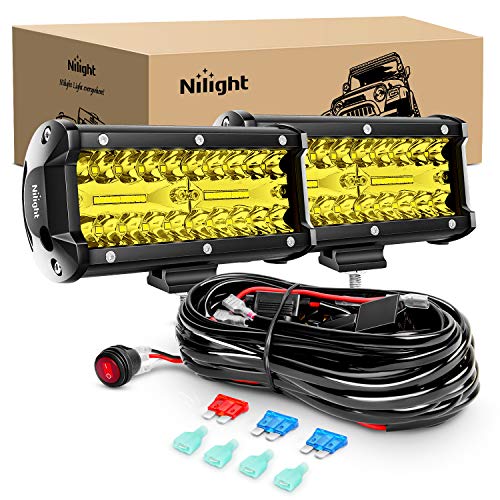
- ✓ Clear amber illumination
- ✓ Solid mounting system
- ✓ Balanced spot/flood combo
- ✕ Wiring harness length (untidy)
- ✕ Not RGB-ready
| Wattage | 120 W total (two 6.5 inch amber LED light bars included) |
| LuminousFlux | ~12000 lumens |
| LightColorTemperature | 3000K amber |
| BeamPattern | Combo of spot and flood |
| OperatingVoltage | 12V DC (typical automotive) |
| MountingSystem | Sliding mounting bracket with rugged, quakeproof design |
Your fog season wishlist has been sitting in the back of my mind for months, and this Nilight kit finally gave it a test run. I pressed the amber bar into service on a misty morning and immediately noticed the 3000K glow cutting through the haze like a glow-stick in a cave.
The light bar feels sturdy in the hand, and the sliding bracket clicks into place with a confident, no-nonsense snap.
Setup was straightforward. The included 12-foot wiring harness takes a moment to route, but the extra length is a relief when you’re chasing a clean install.
Mounting on the bumper is solid, with the dual-row design delivering a compact, low-profile silhouette that doesn’t bounce much on rough terrain. The amber hue isn’t just for show; it minimizes glare in fog and snow, making the road ahead feel more defined.
In use, the combo beam shines both near and far without a harsh hotspot, which helps when you’re weaving between trees or past roadside markers. The beam balance means you’re not just lighting the foreground; you get enough distance to anticipate upcoming curves.
Fog or snow, you’ll notice the light cuts through better than your average white-light bar. It’s not a blinding flood, but it does feel evenly distributed and reliable for late-night commutes.
I appreciated the built-in durability cues—quakeproof mounting and a robust PC lens that stands up to rain and grit. If you’re chasing fog-focused visibility, this setup makes it feel like you’re driving with a personal fog-lighting companion.
Overall, it’s easy to install, steady in use, and genuinely useful on bad weather days.
Hella 005750971 500 Series Fog Lamp Kit

- ✓ Strong, durable build
- ✓ Crisp, defensive beam
- ✓ Easy install
- ✕ Slightly larger wiring area
- ✕ Basic switch styling
| Housing Material | Impact-resistant reinforced ABS |
| Lens Construction | Bonded glass lens |
| Reflector Finish | Aluminum vapor-coated reflector |
| Kit Contents | Two fog lamps, bulbs, stone shields, wiring harness, switch, relay, mounting hardware |
| Application Type | Off-road/automotive fog lamp kit for 12V systems |
| Mounting Hardware Included | Yes (mounting hardware included) |
You know that moment when you finally pull a fog lamp kit out of the box and you can feel the durability right away? The Hella 005750971 500 Series kit starts with a rugged vibe: reinforced ABS housing that feels impact-resistant, and a bonded glass lens that promises clearer light without bending or buzzing under a rainstorm.
I tucked the wiring harness and switch into my dash, and the kit’s hardware looked solid enough to trust on a longer road trip.
The two lamps sit compact but sturdy on the bumper, with their aluminum vapor-coated reflector catching and directing light more efficiently than I expected. You notice the light pattern immediately when you test them—crisp cutoff, a bright, even beam that punches through fog without blasting your eyes.
The bulbs snap in securely, and the stone shields add a practical layer of protection against debris on rough dirt roads.
Installing the kit was pleasantly straightforward. The included mounting hardware and relay setup felt designed for a clean, reliable install rather than a quick DIY hack.
After mounting, the switch sits within easy reach, and the wiring harness lays out neatly, minimizing clutter under the hood. In use, the fog light output feels like a real improvement over stock, especially on early dawn drives and misty evenings.
If you’re balancing cost with real-world performance, this kit checks a lot of boxes. It’s a compact, no-nonsense upgrade that translates into better visibility when you actually need it, without fuss or frequent adjustments.
Overall, I’d recommend this Hella kit to anyone who wants a practical upgrade that delivers noticeable visibility gains without breaking the bank.
How Do Fog Lights Differ from Standard Vehicle Lights?
Fog lights are specialized lighting systems designed to improve visibility in foggy conditions, and they differ from standard vehicle lights in several key ways.
- Beam Pattern: Fog lights produce a wide, low beam pattern that is aimed at the road just in front of the vehicle.
- Color Temperature: Fog lights typically emit a yellow or amber light, which is less likely to reflect off moisture in the air compared to standard white lights.
- Placement: Fog lights are usually positioned lower on the vehicle than standard headlights, often integrated into the front bumper.
- Illuminating Area: Fog lights are designed to illuminate the immediate area around the vehicle, improving visibility without blinding other drivers.
- Usage Regulations: The use of fog lights is often regulated, with specific guidelines on when they can be used in conjunction with standard headlights.
The beam pattern of fog lights is designed to be wide and low, which helps to reduce the amount of light that reflects off the fog, rain, or snow back into the driver’s eyes. This design allows for better ground illumination, making it easier to see road signs, lane markings, and obstacles.
Fog lights usually have a color temperature that leans towards yellow or amber, which penetrates fog and mist more effectively than standard white lights. This color helps to minimize glare, allowing drivers to see better in challenging weather conditions.
Placement is a crucial factor; fog lights are installed lower on the vehicle than standard headlights, which helps to project light beneath the fog, rather than illuminating the fog itself. This strategic positioning helps provide a clearer view of the road ahead.
The illuminating area of fog lights focuses on a short distance in front of the vehicle, providing enhanced visibility without causing discomfort to oncoming traffic. This characteristic is essential for safe navigation during heavy fog or rain.
Usage regulations for fog lights vary by region and vehicle type, often specifying when they may be used in conjunction with standard headlights. Proper usage is vital to avoid blinding other drivers while still ensuring optimal visibility for the driver in adverse weather conditions.
What Are the Unique Characteristics of Fog Lights?
Fog lights are specialized automotive lights designed to enhance visibility in foggy, rainy, or snowy conditions.
- Low Beam Design: Fog lights are typically designed to project a low beam of light that is wide and flat, illuminating the road directly in front of the vehicle without reflecting off the fog or precipitation.
- Color Temperature: Most fog lights emit a yellow or amber light, which is less likely to scatter in foggy conditions compared to white light, providing better visibility.
- Placement: Fog lights are usually mounted lower on the vehicle than standard headlights, ensuring that the beam shines below the fog layer, reducing glare and enhancing the driver’s ability to see the road.
- Wider Coverage: Fog lights are designed to have a broader spread of light, which helps illuminate the sides of the road and any potential obstacles or hazards that may not be visible with standard headlights.
- Durability: Fog lights are often built to withstand harsh weather conditions, featuring sealed housings and impact-resistant lenses to prevent moisture and debris from obstructing their performance.
What Types of Fog Lights Can You Choose From?
The best lights for fog can be categorized into several types based on their features and functionality:
- Halogen Fog Lights: Halogen fog lights are common due to their affordability and ease of replacement. They emit a warm yellow light that helps to cut through fog, rain, and snow, providing good visibility without causing too much glare for other drivers.
- Xenon/HID Fog Lights: Xenon or high-intensity discharge (HID) fog lights are known for their brightness and efficiency. They produce a bluish-white light that can illuminate a wider area, making it easier to see in adverse weather conditions, but they may require a specific housing and can be more expensive than halogen lights.
- LED Fog Lights: LED fog lights are becoming increasingly popular due to their energy efficiency and long lifespan. They provide a bright, focused beam that can significantly enhance visibility in foggy conditions, while also consuming less power compared to halogen and HID lights.
- Projector Fog Lights: Projector fog lights use a lens to direct the light beam, creating a more focused and controlled output. This design minimizes light scatter and glare, making them effective for fog and enhancing road visibility without blinding other drivers.
- Fog Light Bar: Fog light bars are larger units that can be mounted on vehicles, providing a powerful and wide beam of light. They are ideal for off-road driving and extreme weather conditions, but they may not be street legal in all areas, so it’s important to check local regulations.
How Do LED, Halogen, and HID Fog Lights Compare?
| Lighting Type | Brightness | Lifespan | Energy Efficiency | Color Temperature | Cost | Heat Generation |
|---|---|---|---|---|---|---|
| LED | High lumen output; bright white light enhances visibility. | Up to 25,000 hours; long-lasting option. | Energy-efficient; consumes less power compared to others. | Cool white (around 6000K); provides excellent visibility. | Higher initial cost; typically $50-$200. | Low heat generation; safer for surrounding components. |
| Halogen | Moderate brightness; provides warm light but less effective in fog. | About 1,000 hours; shorter lifespan than LED and HID. | Less efficient; consumes more power for similar output. | Warm white (around 3000K); less visibility in fog. | Lower initial cost; typically $20-$100. | Generates more heat; can affect nearby components. |
| HID | Very bright; produces a strong beam that penetrates fog well. | 2,000 to 3,000 hours; longer lifespan than halogen but shorter than LED. | Relatively efficient; better than halogen but not as good as LED. | Cool white (around 4000K); good visibility in fog. | Moderate initial cost; typically $30-$150. | Moderate heat generation; can be a concern for housing. |
What Factors Should You Consider When Selecting Fog Lights?
When selecting the best lights for fog, several key factors should be taken into account to ensure optimal visibility and safety.
- Brightness: The brightness of fog lights is crucial, as they need to provide sufficient illumination without blinding oncoming drivers. Generally, fog lights should emit a lower lumen output compared to standard headlights to avoid reflection off the fog, rain, or snow.
- Beam Pattern: The beam pattern of fog lights is designed to create a wide, low spread of light. This helps illuminate the road immediately in front of the vehicle and reduces the amount of light that is reflected back by moisture in the air, enhancing visibility in foggy conditions.
- Color Temperature: Fog lights typically have a color temperature ranging from 3000K to 6000K, with yellow or amber lights being particularly effective in fog. These colors penetrate fog better than standard white light, minimizing glare and improving contrast.
- Durability: Fog lights should be robust and resistant to harsh weather conditions, including water and dust. Look for lights with a high IP (Ingress Protection) rating to ensure they can withstand exposure to the elements.
- Installation: Consider the ease of installation for the fog lights. Some options may require professional installation, while others can be easily mounted by the vehicle owner with minimal tools. Compatibility with your vehicle’s make and model can also affect installation options.
- Power Source: Fog lights can be powered by halogen, LED, or HID bulbs, each with its own advantages and disadvantages. LED lights are more energy-efficient and have a longer lifespan, while halogen lights are often less expensive but may not perform as well in foggy conditions.
- Adjustability: Some fog lights offer adjustable mounts or beams, allowing drivers to direct the light as needed. This feature can be beneficial in optimizing visibility for different driving conditions.
How Does Lumens Output Affect Fog Lighting Performance?
The lumens output significantly influences the performance of fog lighting, affecting visibility and safety during adverse weather conditions.
- Higher Lumens Output: Lights with a higher lumens output produce brighter illumination, which can penetrate thicker fog and enhance visibility. However, too much brightness can cause glare, reflecting off the fog and impairing the driver’s vision.
- Lower Lumens Output: Lower lumens output may reduce glare and provide a softer light that can cut through fog more effectively. These lights often create a more diffused beam, allowing for better spread and less reflection, which can be advantageous in foggy conditions.
- Beam Pattern: The beam pattern is equally important as lumens output; a wide, low beam is often more effective for fog lighting. A focused beam may not illuminate the ground directly in front of the vehicle, leading to potential hazards, while a broader beam helps to light up the road and surrounding areas.
- Color Temperature: The color temperature of the light can also influence performance; lights with a yellowish hue (around 3000K) are often better in fog conditions than cooler, bluish lights. The warmer color penetrates fog and rain more effectively, reducing the scattering of light and improving overall visibility.
- Light Placement: Proper placement of fog lights is crucial, as they should be mounted lower on the vehicle to effectively illuminate the road without causing glare. This positioning helps to minimize the reflection of light back into the driver’s eyes, enhancing safety in foggy conditions.
Why Is Color Temperature Important for Fog Visibility?
According to a study by the National Highway Traffic Safety Administration (NHTSA), yellow or warm light (around 2500K to 3000K) penetrates fog more effectively than cooler, bluish light (above 5000K), reducing glare and improving visibility (NHTSA, 2013). This is critical for ensuring that drivers can see both the road and other vehicles, minimizing the risk of accidents in foggy conditions.
The underlying mechanism involves the scattering of light by water droplets. In fog, which consists of tiny water particles, cooler color temperatures tend to scatter light more severely, leading to more glare and reduced visibility. Warmer light, on the other hand, has longer wavelengths that are less susceptible to scattering, allowing more light to reach a driver’s eyes with less distortion. This makes warm-colored lights particularly effective in enhancing visibility during foggy conditions, as they provide a clearer view of the road ahead while reducing the risk of blinding reflections.
How Can You Properly Install Fog Lights?
To properly install fog lights, you should consider several key steps and components:
- Choosing the Right Fog Lights: The best lights for fog should have a beam pattern that minimizes glare while enhancing visibility in foggy conditions. Look for lights with a yellow or selective yellow hue as they penetrate fog better than white lights.
- Gathering Necessary Tools: Before installation, ensure you have all necessary tools at hand, including a socket wrench, screwdrivers, and wire connectors. Having the right tools will make the installation process smoother and more efficient.
- Finding the Right Location: Identify the optimal mounting location for your fog lights on your vehicle, typically below the headlights and aligned with the front grille. This positioning helps to maximize the effectiveness of the fog lights while ensuring they comply with local regulations.
- Wiring the Fog Lights: Connect the fog lights to the vehicle’s electrical system, ensuring that you follow the manufacturer’s wiring diagram. It’s crucial to use proper connectors and fuses to prevent electrical issues and ensure longevity.
- Testing the Lights: After installation, test the fog lights to ensure they are functioning correctly. Adjust the aim as necessary to ensure the beam pattern is optimal for fog conditions without blinding oncoming drivers.
- Securing and Protecting Wires: Make sure all wiring is secured and protected from the elements, using zip ties or electrical tape as needed. Proper wire management prevents damage and ensures that the lights operate reliably over time.
What Are the Most Trusted Brands for Fog Lights?
The most trusted brands for fog lights include:
- PIAA: Known for their high-performance lighting solutions, PIAA fog lights offer superior brightness and durability. Their proprietary technology ensures a clear, wide beam pattern that enhances visibility in foggy conditions, making them a popular choice among drivers.
- Hella: Hella has a strong reputation for manufacturing reliable automotive lighting, including fog lights. Their products are designed to provide excellent illumination and are rigorously tested to withstand various weather conditions, ensuring long-lasting performance.
- Osram: With decades of experience in the lighting industry, Osram produces fog lights that are both efficient and effective. Their LED fog lights are particularly notable for their energy efficiency and longevity, providing a bright light output while consuming less power.
- Rigid Industries: Rigid Industries specializes in rugged, off-road lighting solutions, making their fog lights ideal for adventurous drivers. These lights are built to endure harsh conditions and offer impressive brightness, making them perfect for both on-road and off-road visibility.
- Auxbeam: Auxbeam offers a range of LED fog lights that are known for their ease of installation and affordability. Their products often feature adjustable beam patterns and high lumen output, providing excellent visibility without breaking the bank.
- KC HiLiTES: Renowned for their off-road lighting, KC HiLiTES fog lights are engineered for optimal performance in tough environments. Their durable construction and powerful light output make them a favorite among outdoor enthusiasts and off-road drivers.
What Do User Reviews Reveal About the Best Fog Lights Available?
User reviews highlight several key features and preferences regarding the best lights for fog.
- Brightness: Many users emphasize the importance of brightness in fog lights, particularly those that use LEDs for their high lumen output. Higher brightness not only improves visibility in foggy conditions but also enhances safety by making the vehicle more visible to other drivers.
- Beam Pattern: Reviewers often mention the significance of a well-defined beam pattern, which should be wide and low to the ground. A proper beam pattern minimizes light scattering, thereby reducing glare and improving overall visibility in foggy situations.
- Durability: User feedback frequently highlights the need for fog lights that can withstand harsh weather conditions and road debris. Many recommend lights with rugged housing and waterproof ratings to ensure longevity and reliability over time.
- Ease of Installation: Several reviews point out that easy installation is a key factor for users who prefer DIY projects. Fog lights that come with clear instructions and all necessary hardware tend to receive higher ratings from those who value convenience.
- Adjustability: Some users appreciate fog lights that offer adjustability, allowing them to direct the light beam to optimal positions. This feature can be particularly beneficial for drivers who frequently encounter varying weather conditions or terrain.
- Color Temperature: Many reviewers express a preference for fog lights that emit a yellow or warm white light. This color temperature is believed to penetrate fog, rain, and snow more effectively than cooler white lights, leading to improved visibility in adverse conditions.
- Brand Reputation: User reviews often reflect the importance of brand reputation and customer service. Brands known for their quality products and responsive support tend to garner more trust and positive feedback from users looking for reliable fog light solutions.